How Water Treatment Protects Your Custom Glass Shower Doors
November 24, 2025
If you love the look of spa-worthy bathrooms, you’ve probably noticed that the one detail that makes the whole room pop is pristine, streak-free glass. At Wholesale Glass & Mirror, we help homeowners elevate bathrooms with custom glass shower doors for Mills River, NC, and we’re often asked what really keeps new glass looking new. Here’s the curveball: the answer starts long before a squeegee ever touches the pane. In regions with hard water—or even moderately mineral-rich water—what flows from your showerhead can leave behind a film that dulls transparency and etches surfaces over time. In this guide, we’ll explore how home water treatment solutions protect showers, mirrors, and windows from buildup, and how good water plus good habits equals glass that shines.
Hard water carries dissolved minerals, primarily calcium and magnesium, along with trace elements like iron and manganese. When warm water hits cool glass, it evaporates quickly and leaves those minerals behind as tiny, rock-hard crystals. Over time, repeated deposits can chemically bond to the surface, creating a frosty film that common cleaners can’t fully remove. On shower glass, those deposits mingle with soap and body oils to form stubborn soap scum. On mirrors and windows, the issue skews more toward mineral spotting, which scatters light and dulls the view.
Importantly, glass can also suffer micro-etching. When minerals and alkaline cleaners interact, they can slightly pit the surface. Those micro-pits catch more grime, making future cleaning harder. It’s one reason homeowners feel like they’re fighting a losing battle—especially on high-visibility panels like custom glass shower doors. Without intervention at the water level, maintenance can feel endless.
First, glass type matters. Low-iron glass offers exceptional clarity (less green tint), showcasing tilework and natural light. Thicker panes (3/8" or 1/2") feel sturdy and resist flex, preserving seal integrity over time. Pairing premium glass with high-quality hinges and hardware—preferably in corrosion-resistant finishes—helps the installation age gracefully.
Second, protective coatings can amplify the benefits of treated water. Factory-applied hydrophobic layers help water sheet off, carrying minerals with it and reducing bonding. With treated water, these coatings tend to last longer between maintenance touch-ups because they aren’t constantly battling heavy mineral assault.
Finally, daily habits make a measurable difference. Even with excellent water, a quick pass with a squeegee and a microfiber towel after each shower limits residue. For weekly care, a pH-neutral cleaner keeps coatings intact and avoids alkaline damage. Combine a softener or filtration system with these habits, and you’ll extend the clarity and life of custom glass shower doors far beyond the typical timeline.
Why Hard Water Leaves Its Mark on Glass
Every spot that refuses to wipe away has a backstory. Here’s what’s really happening when that haze won’t budge.Hard water carries dissolved minerals, primarily calcium and magnesium, along with trace elements like iron and manganese. When warm water hits cool glass, it evaporates quickly and leaves those minerals behind as tiny, rock-hard crystals. Over time, repeated deposits can chemically bond to the surface, creating a frosty film that common cleaners can’t fully remove. On shower glass, those deposits mingle with soap and body oils to form stubborn soap scum. On mirrors and windows, the issue skews more toward mineral spotting, which scatters light and dulls the view.
Importantly, glass can also suffer micro-etching. When minerals and alkaline cleaners interact, they can slightly pit the surface. Those micro-pits catch more grime, making future cleaning harder. It’s one reason homeowners feel like they’re fighting a losing battle—especially on high-visibility panels like custom glass shower doors. Without intervention at the water level, maintenance can feel endless.
Home Water Treatment Services in Mills River, NC: A Clear Advantage
When the goal is clarity, prevention beats correction. Providing services in Mills River, NC , water treatment professionals commonly deploy three approaches that dramatically improve glass care:- Water softeners (ion exchange):
These systems swap hardness minerals (calcium and magnesium) for sodium or potassium ions. By removing hardness at the source, they reduce spot-forming residues and soap scum. Soft water also improves the performance of shampoos and cleansers, so less product is needed—and less residue ends up on your glass.
- Whole-house filtration:
Activated carbon, sediment filters, and specialized media reduce rust particulates, taste/odor compounds, and discoloration from iron or manganese. On glass, that translates to fewer orange or gray streaks and clearer reflections on mirrors and windows.
- Reverse osmosis (RO) at point-of-use: While typically installed at the kitchen sink for drinking water, RO eliminates a wide range of dissolved solids. In homes with severe water challenges, a whole-home treatment plan may combine softening plus targeted RO. The result is water that evaporates without leaving a stubborn mineral footprint.
Custom Glass Shower Doors: Design, Durability, and Daily Care
The elegance of custom glass shower doors is as much about the right components as it is about the care they receive.First, glass type matters. Low-iron glass offers exceptional clarity (less green tint), showcasing tilework and natural light. Thicker panes (3/8" or 1/2") feel sturdy and resist flex, preserving seal integrity over time. Pairing premium glass with high-quality hinges and hardware—preferably in corrosion-resistant finishes—helps the installation age gracefully.
Second, protective coatings can amplify the benefits of treated water. Factory-applied hydrophobic layers help water sheet off, carrying minerals with it and reducing bonding. With treated water, these coatings tend to last longer between maintenance touch-ups because they aren’t constantly battling heavy mineral assault.
Finally, daily habits make a measurable difference. Even with excellent water, a quick pass with a squeegee and a microfiber towel after each shower limits residue. For weekly care, a pH-neutral cleaner keeps coatings intact and avoids alkaline damage. Combine a softener or filtration system with these habits, and you’ll extend the clarity and life of custom glass shower doors far beyond the typical timeline.
Preventing Build-Up: Habits and Household Helpers
Think of this as set-and-forget glass care—the steps that keep haze from ever settling in.- Squeegee strategy: A 30-second squeegee pass after the last shower each day is the single easiest way to prevent spotting. Work from top to bottom in overlapping strokes.
- Microfiber follow-up: A quick wipe of edges and hardware stops drips from creeping back onto panels. Replace cloths regularly so you’re not smearing old residue.
- Ventilation:
Run the fan during showers and for 15 minutes after. Lower humidity speeds evaporation and reduces the time minerals have to bond to glass.
- Gentle chemistry:
Choose pH-neutral cleaners. For periodic deep cleans, diluted citric acid can dissolve mineral traces without rough scrubbing.
- Water system upkeep: If you use a softener, check salt levels and schedule annual service. For filters, replace cartridges per manufacturer guidance so performance—and glass clarity—doesn’t taper off.
Treated Water, Better Glass: What Homeowners Report
The most compelling proof of a routine is what it saves you. After adding filtration or softening, many homeowners report:- Fewer hours cleaning: Weekly shower maintenance can drop from 20–30 minutes to under 10 for the same results.
- Less product, better shine: With reduced scum and minerals, mild cleaners and microfibers do the job—no harsh abrasives needed.
- Longer intervals between deep cleans: Instead of fighting chalky buildup monthly, some shift to quarterly deep cleans with simple acidic rinses.
- Protected coatings and hardware: Hydrophobic coatings keep working, and finishes resist corrosion longer in an environment with lower mineral load.
Wholesale Glass & Mirror on Glass Quality in Treated-Water Homes
Experience on real job sites teaches what lab charts can’t. In homes with balanced, treated water, we see a few advantages play out again:- Cleaner edges and seals: Silicone and gasketed joints remain more transparent and less prone to discoloration because they aren’t collecting heavy residues.
- Better optical clarity over time: Especially on large panels and low-iron glass, the absence of mineral pitting preserves that crisp, gallery-like brightness.
- Smoother door operation: When hardware isn’t battling mineral crusts or corrosive deposits, hinges stay true and swing action remains silky.
From Mills River, NC, to Your Bathroom: A Maintenance Checklist
Operating in the Mills River, NC, area often means navigating variable water profiles, especially for homes on private wells.Here’s a simple, repeatable checklist you can adapt anywhere:
- Test your water: Check hardness (grains per gallon), iron, and TDS (total dissolved solids). Re-test seasonally if you’re on a well.
- Dial in treatment: Based on results, consider softening, filtration , or a combo unit. Confirm system sizing matches household usage.
- Protect the glass: If your panels aren’t factory-coated, ask about hydrophobic treatments that pair well with treated water.
- Daily practice: Squeegee, microfiber, ventilate. These three moves are the backbone of clear glass.
- Weekly rhythm: Wipe tracks, hinges, and edges. Use a neutral cleaner on panels and a nonabrasive method on metal finishes.
- Monthly/quarterly: Descale with a mild acid rinse if you notice any chalky residue. Replace filters and maintain softener settings.
Choosing A Water Treatment Path That Fits Your Home
There’s no one-size-fits-all approach to water, and the best system is the one tuned to your specific supply. Start with a certified water test. If hardness is the main culprit, ion exchange softeners are a proven, cost-effective fix. If iron or manganese stains are the issue, look for oxidation/filtration systems and catalytic media. Where taste, odor, and broad-spectrum dissolved solids are the problem, consider adding point-of-use RO on top of whole-house filtration.Households serving Mills River, NC, often balance salinity considerations, maintenance preferences, and upfront cost.
Keep these decision points in mind:
- Sizing and regeneration: A properly sized softener reduces salt use and keeps performance steady.
- Filter media lifespan: Some media beds last years; know replacement timelines and costs.
- Upkeep and monitoring: Choose systems with simple maintenance and readily available support.
- Compatibility with glass care: Softer, cleaner water pairs best with hydrophobic coatings and daily squeegee habits, maximizing the brilliance of custom glass shower doors.
The Hidden Cost of Skipping Water Treatment
It might feel frugal to keep scrubbing instead of treating water, but consider the long game. Micro-etching is irreversible and gradually dulls glass, even if the surface looks clean right after a vigorous polish. Mirrors and window glass aren’t immune either—persistent spotting can “ghost” into the surface, showing up as faint halos that never truly disappear. Over years, the cost of specialty cleaners, extra labor, and premature replacement can exceed that of a straightforward softener or filtration setup. Viewed this way, home water treatment is as much a preservation strategy as it is a convenience.Contact Us for Lasting Clarity Today!
If you’re ready to upgrade your bathroom experience, there’s power in pairing better water with better glass. For a personalized plan, schedule a quick consultation to look at your water profile, coating options, and a care routine that fits your household. Wholesale Glass & Mirror brings practical, field-tested guidance to help you protect mirrors, windows, and custom glass shower doors for Mills River, NC, with real-world tips you can use right away. Serving homeowners who want smarter maintenance and longer-lasting sparkle, we’re here to help you get that day-one shine back—and keep it. Call (828) 254-8665 now to start your water treatment and glass care game plan, and let your space shine brighter than ever.Recent Posts

By Wholesale Glass & Mirror Company
•
September 24, 2026
Custom shower glass doors in Fairview, NC: compare frameless vs. semi-frameless styles with Wholesale Glass & Mirror Company. Free estimate today.

May 7, 2026
Discover custom shower glass doors in Mills River, NC, with Wholesale Glass & Mirror. Call (828) 254-8665 or click here to learn more about our services!

November 24, 2025
Upgrade your home with custom glass shower doors for Mills River, NC. Call Wholesale Glass & Mirror today at (828) 254-8665 for expert solutions!

September 16, 2025
Upgrade your bathroom with custom glass shower doors in Mills River, NC. Contact Wholesale Glass & Mirror today at (828) 254-8665 for expert solutions.
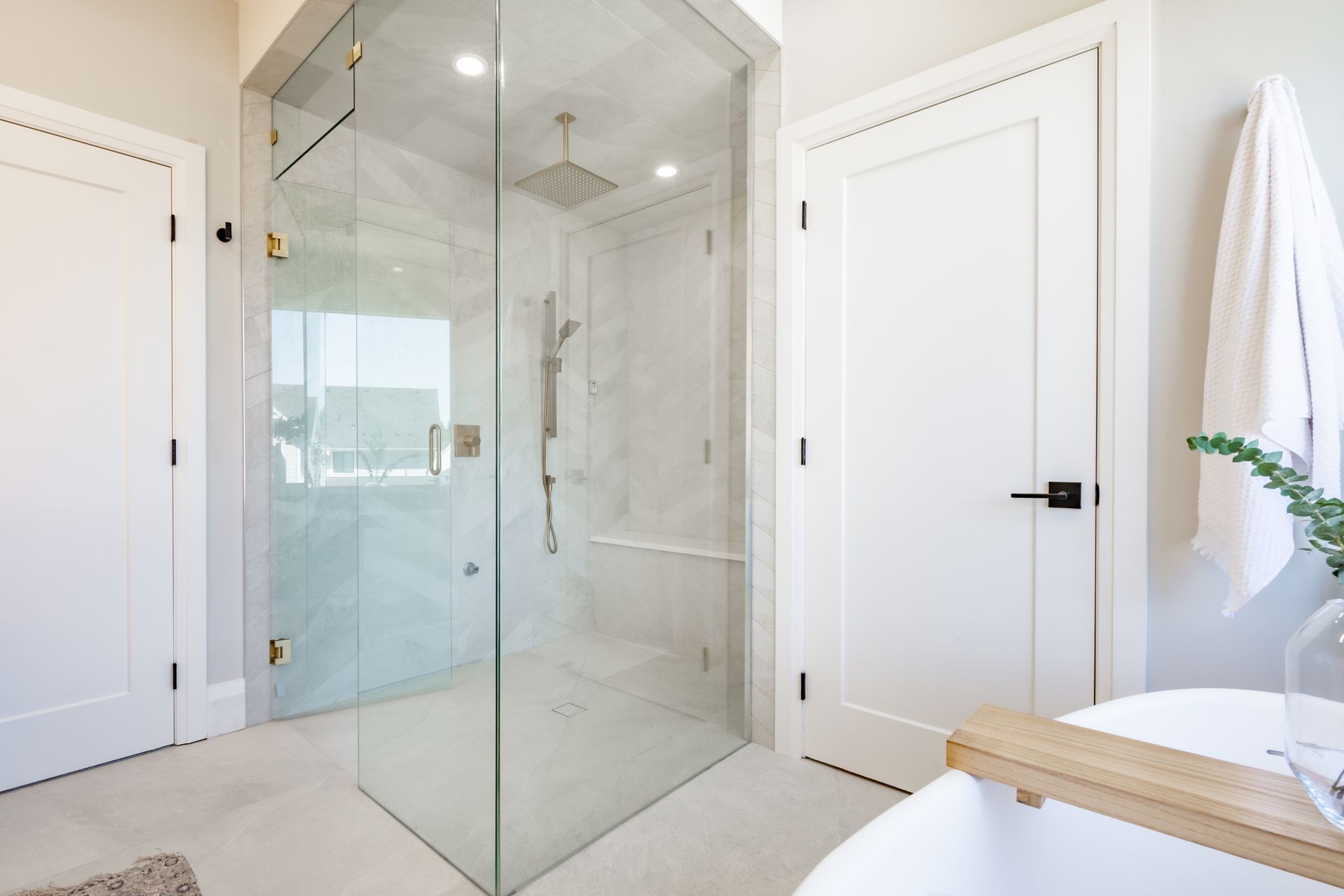
June 23, 2025
Do you need a custom shower glass in Fairview, NC? Call Wholesale Glass & Mirror at (828) 254-8665 for expert help since 1991.
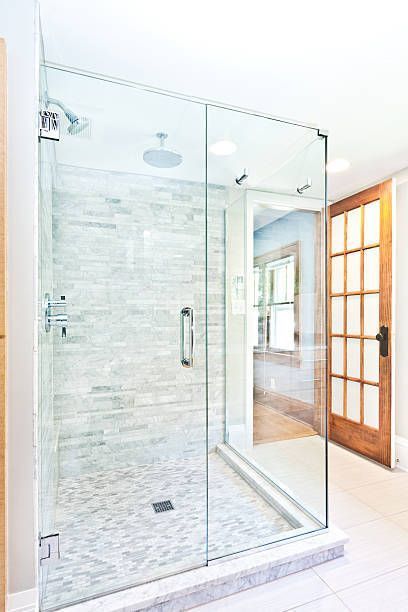
April 11, 2025
Upgrade with custom shower glass doors in Mills River, NC! Wholesale Glass & Mirror offers expert tips & installation. Call (828) 254-8665 today!
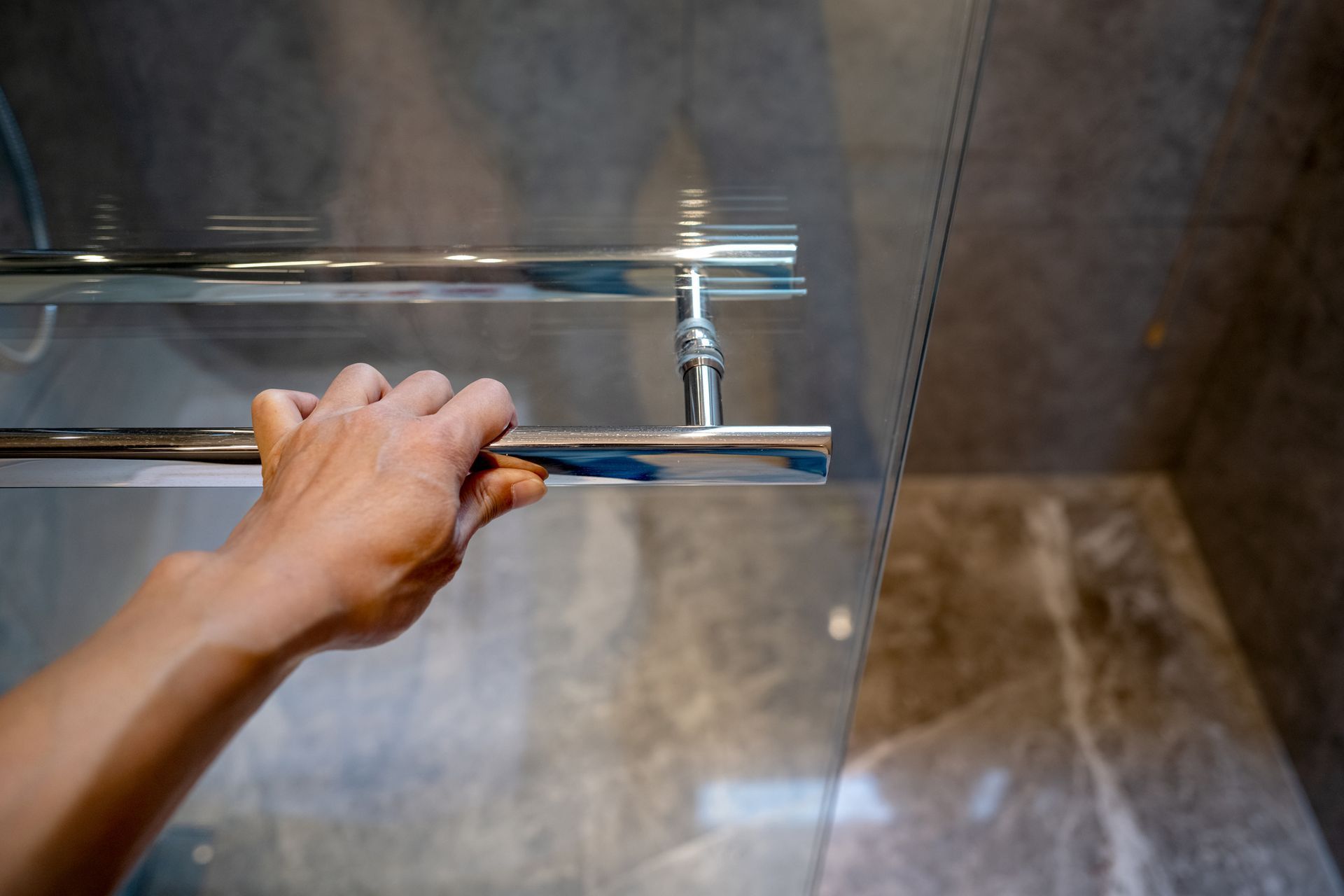
February 6, 2025
Click here and explore the advantages of custom shower glass doors for Fairview, NC, homes. Enhance your bathroom with Wholesale Glass and Mirror’s today!



